
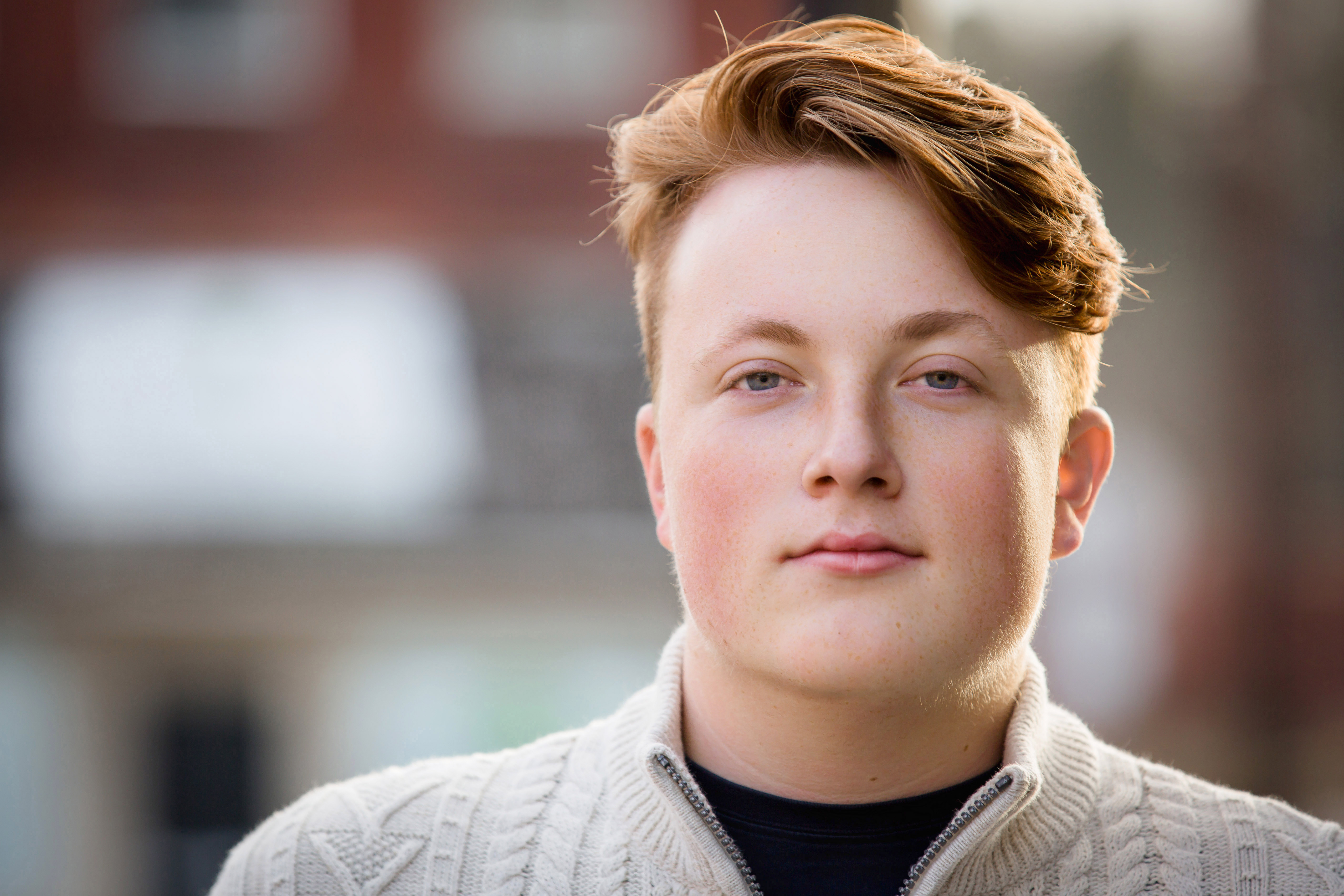
Get Blurry Backgrounds With Any Camera
Every beginner photographer wants it. That soft, dreamy background where your subject pops and everything behind them melts into a creamy blur. It looks professional. It looks intentional. It looks like whoever took that photo definitely knew what they were doing.
And the first thing most beginners assume? That they need better gear to get it.
Here's the truth: you probably don't.
The gear obsession starts early
There's something about picking up a camera for the first time that instantly sends you down a rabbit hole of reviews, comparisons, and Reddit threads about glass. Before you've shot a single roll — or, let's be honest, a single memory card — you're already convinced that your kit lens is the problem and a $1,200 prime is the solution.
I get it. My brother, who taught me photography, was deep in the gear-collecting world. And because I didn't know enough yet to push back, I took a lot of expensive advice I wasn't ready for.
Here's what I wish someone had told me earlier: gear can enhance a skill you already have. It cannot create a skill you haven't built yet. And the blurry background? It's way more about what you do than what you're shooting with.
What's actually happening when the background blurs
When your background goes soft, it comes down to something called depth of field — basically, how much of your scene is actually in sharp focus at any given moment. A shallow depth of field means only a thin slice of your image is sharp. Everything in front of and behind that slice starts to blur.
Three things control this:
Your aperture (the f-number on your lens), the distance between you and your subject, and the distance between your subject and whatever is behind them.
Get all three working together and you'll get that blur — even with a kit lens.
The aperture piece — and why "wide" is the most confusing word in photography
Let's talk about aperture for a second because photography teachers love to use words like "wide aperture" and "fast lens" as if those mean something to someone who just bought their first camera.
They don't. Or at least, they didn't to me.
Here's the version that actually makes sense: the smaller the f-number, the fewer things will be in focus. The larger the f-number, the more things will be in focus.
That's it. That's the whole thing.
So if you're shooting portraits and you want that blurry background, aperture is your first dial to touch. Set it as low as your lens will allow. That low number is what's going to separate your subject from the background — not the price tag on the lens.
(And "fast lens"? It just means a lens with a very low available f-number. Now you know. You're welcome.)
The kit lens can actually do this — with caveats
Most beginners start with something like an 18-55mm kit zoom lens. The lowest aperture you'll get on that lens is around f/3.5, and only when you're shooting at the wide 18mm end. Zoom it out to 55mm and you're looking at f/5.6, which honestly isn't going to blur much of anything.
So yes, there are limitations. But f/3.5 at 18mm isn't nothing — it just means you have to work a little harder with the other two factors: distance.
Distance is doing more work than your lens is
This is the part nobody talks about enough, and it's where I personally went wrong for way longer than I'd like to admit.
I thought my lens was doing all the work. Low f-number, blurry background, done. Except it wasn't done, because I was shooting portraits with my subject practically in my face and their back six inches from a wall.
There are two distances that matter here:
The first is the distance between you and your subject. Get too close and your plane of focus becomes paper thin — we're talking razor's edge. Move back and give yourself some breathing room. That thin slice of sharpness gets a little more forgiving, and you're more likely to nail focus on what matters (eyes, face) without accidentally blurring something you didn't mean to.
The second is the distance between your subject and the background. This one is the real secret. Put someone right up against a wall or a backdrop and no amount of f/1.8 is going to save you. That background needs space — real space — to fall out of focus. Move your subject forward, away from whatever is behind them. Even a few feet makes a noticeable difference.
Work both of those distances and you'll get dramatically better results with any lens.
The nifty fifty and why it changed everything for me
If you're ready to invest in one lens — and I mean one, not a collection — a 50mm prime lens is where I'd point you. The cheapest version, often called the "nifty fifty," comes in around $100-150 and gets down to f/1.8. It takes a genuinely gorgeous photo, it forces you to use your feet instead of a zoom ring, and it will teach you more about how aperture and distance work together than almost anything else you could buy.
I also bought a 100mm macro lens early on because the idea of extreme close-up photography sounded amazing. That lens lived in my bag and collected dust. Minimum focus distances, wrong application for portraits, and a learning curve I wasn't ready for. Sold it eventually. Some lessons cost money.
The nifty fifty? No regrets.
The one thing that kills the blur every time
Bad spacing. That's it. The most expensive lens in the world can't save a shot where your subject is glued to their background. If your photos aren't blurring the way you want, before you blame the gear, check your distances. Move your subject forward. Take a step back yourself. Give the photo room to breathe.
When does gear actually start to matter?
Here's my honest answer: once you can consistently nail focus, manage your exposure triangle without stressing about it, and make intentional decisions about depth of field — then yes, a faster lens with a lower aperture will give you noticeably better results.
But if you're still sorting out why your photos come out soft, or why the background isn't blurring even when you set the aperture low, more glass isn't going to fix it. The skills come first, and then the upgrade pays off.
When you're doing everything right and it's still not landing
Sometimes you've thought about spacing, you've set your aperture low, and your photos still aren't looking the way you pictured them. The background is distracting, or the exposure is off, or something just looks... wrong and you can't figure out what.
That's usually a sign that there's another variable in the mix — something in your settings that's working against you. That's exactly what my free guide Fix It Fast covers. It breaks down the five most common beginner mistakes — including why your background still looks busy — and gives you fast, practical fixes for each one.
👉 [Grab Fix It Fast here — it's free.]
Go get that blur. You've had what you need the whole time. 📷
