
The 5-Minute Lighting Check
Here's the thing nobody tells you about lighting: getting it right isn't about having perfect conditions. It's about learning to see problems before they end up in your photos — and knowing what to do when they show up anyway.
I've been doing this for 13 years. I still do a lighting check before every single shoot. Not because I don't know what I'm doing, but because lighting is the one thing that can completely tank an otherwise great session, and some of it can't be fixed in editing. Trust me on that one.
The Golden Hour Trap
Everyone drools over golden hour. The warm light, the dreamy glow, the way everything looks like a Pinterest board come to life. I get it. I love it too.
But I've also had golden hour completely blow up in my face.
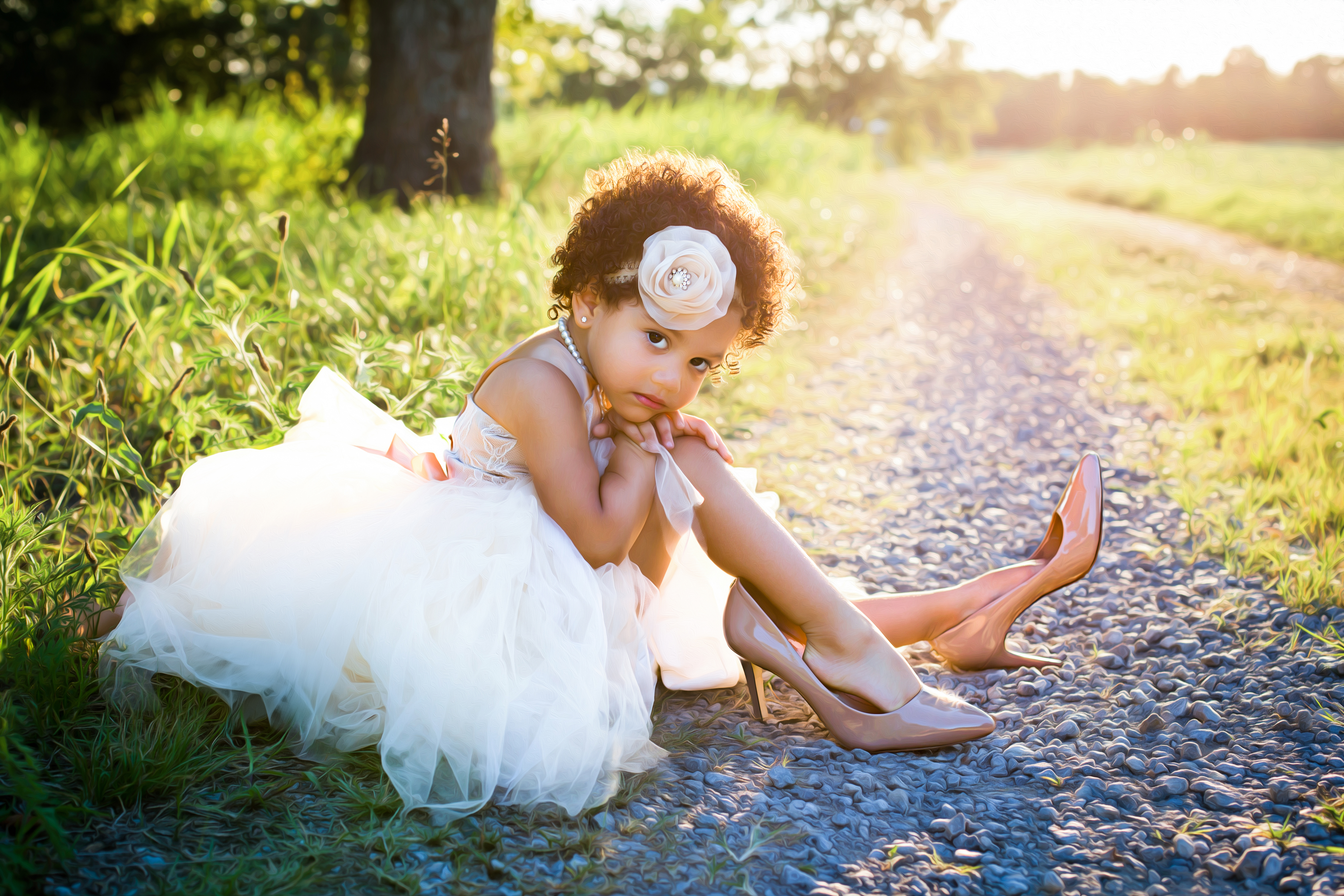
More than once, I've positioned subjects with the setting sun behind them — that gorgeous backlit look — and ended up with someone's face barely surviving what I can only describe as a nuclear event. Too much sun flare, settings that hadn't been adjusted from a previous angle, and suddenly dad looks like he walked directly into the surface of the sun. You can add contrast in editing all day long. You cannot un-nuke a face.
And even when the flare doesn't completely wash someone out, it can absolutely destroy your white balance. The camera gets confused between the warmth of the sun bleeding into the frame and the ambient temperature of everything else, and suddenly your clients are somewhere between beet red and a shade of yellow I genuinely cannot name. That is not a fun editing session.
The fix? Simple. If it's getting dicey, I turn just enough to get the sun out of the frame. Nine times out of ten, that saves the shot.
The 5-Minute Check (Do This Before Your Clients Arrive)
Good lighting starts before anyone shows up. Here's exactly what I do:
Step 1: Control the timing. Schedule shoots at golden hour or late afternoon whenever possible. Softer light, more shade, more flexibility. If a client needs midday, I make sure the location has enough good shade to work with before I agree to it.
Step 2: Scout before they arrive. I walk the location and eyeball 5-7 spots where I can safely pose people. I'm looking for soft, even light and a background worth shooting. Just because the shade is good in one direction doesn't mean you have to settle for a parking lot behind your subjects. There's almost always a way to find both good light AND a good background.
Step 3: Take test shots. I shoot a few frames in each spot before clients arrive and check the back of my camera. Are there weird shadows? Unflattering light direction? Settings way off? Fix it now, not mid-session while everyone's watching.
The Mistake Beginners Make Most (It's Not What You Think)
It's shadows. Specifically — patchy, uneven shadows that nobody noticed until they're already in the photo.
Beginners are often so focused on camera settings, posing, and not forgetting anything that they completely miss the tiger stripes going across someone's face from tree branches overhead. And unlike most problems, bad shadows are genuinely miserable to fix in editing. I've had to use AI to reconstruct someone's nose after a shadow situation went sideways. Clients can always tell. Even dodging and burning the traditional way can look unnatural and takes forever.
The goal is to catch it before it happens. Walk your subjects into a spot and actually look at their faces before you start shooting. Is everyone evenly lit? Is that one person standing at just the wrong angle getting the full shadow treatment while everyone else looks great? Reposition first. Edit never.
Indoor Lighting: Pick One Source and Commit
Indoor shoots make a lot of beginners nervous, and honestly, for good reason. Here's the trap most people fall into: they turn on every light in the room trying to brighten things up, and end up with a mess of conflicting light sources, uneven exposure, and some truly unflattering shadows.
Overhead lights are almost never your friend. Ceiling fan lights? Hard no. Office-style overhead fluorescents? Please don't. Anything coming straight down creates shadows under eyes and chins that age people about twenty years.
Here's what actually works:
Natural window light is your best option when it's available. Position subjects to face the window, check your settings, and you're often good to go.
A bounced flash is your secret weapon when natural light isn't enough. Angle the flash head up and behind you so it bounces off the ceiling and walls — this gives you soft, even light that looks nothing like the deer-in-headlights disaster of a direct flash aimed straight at your subjects.
The most important rule indoors: pick one light source and commit to it. Mixing natural light with artificial room lights confuses your camera's white balance fast, and cleaning that up in editing is its own special nightmare.
Outdoor Lighting: Shade Is Almost Always the Answer
When in doubt outside, find shade. It's the safest, most consistent option when the sun is out and you don't have full control over conditions.
And if you happen to shoot on an overcast day — not a storm rolling in, just a nice cloudy sky — you're actually in luck. Overcast skies work like a giant natural softbox, diffusing the sun evenly across everything. You lose the golden hour glow, but you gain the freedom to shoot from any angle without chasing light. Consistently well-exposed photos are the goal most of the time anyway.
As for outdoor flash — I rarely use it. Occasionally a low-power fill flash can reduce shadows on a bright day, but for most beginners, getting your exposure settings right will solve the same problem without the extra gear.
When "Good Enough" Is Actually the Right Call
Here's something experience taught me: sometimes the technically safer shot IS the better shot.
Early on I'd push for those creative golden hour angles on tired clients at the end of a long session, hoping for something magical. What I got instead were some really stressed parents, some really over-it kids, and photos I had to talk myself into delivering.
Now? If it's late in the session and everyone's ready to go find food, I'm not chasing the sunset shot. I'm getting the photos they actually came for — faces in focus, good light, everyone represented well. That's what clients want. They're not paying for your experiments. Save those for a free afternoon with your kid or your best friend, where you can test angles without any pressure.
The Shortcut to Knowing Which Setup to Use
Lighting has a learning curve, but it doesn't have to be complicated. If you want a cheat sheet that walks you through exactly which setup to use and when — window light, doorway light, outdoor shade, one artificial light, and low-light situations — my free Easy Lighting Guide covers all five, plus a quick reference so you always know what to reach for. Grab it here.
